

An air bed can feel surprisingly close to a traditional mattress when it is set up correctly. Most comfort complaints come from three issues: incorrect inflation level, poor insulation from the floor, and uneven body support caused by the surface and bedding choices. The good news is that you can fix these problems without complicated accessories if you follow a systematic approach.
If you are choosing a new inflatable mattress built for stable support and everyday usability, explore Lixin’s air bed options for home, guest-room, and temporary sleeping needs.
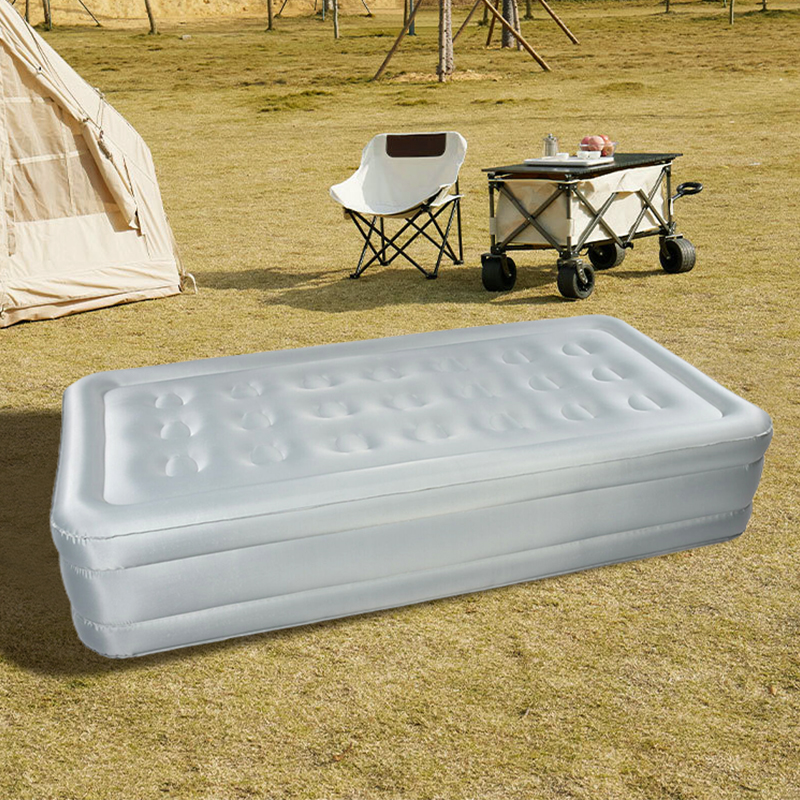
Start With the Most Important Comfort Factor: Correct Inflation
Many people overinflate an air bed because they want it to feel firm. Overinflation can increase pressure points at shoulders and hips and makes the surface feel bouncy. Underinflation causes sagging, poor spinal alignment, and rolling toward the center.
A comfort-focused inflation method is simple:
- Inflate until the bed looks fully formed and the top surface is level.
- Lie down in your normal sleeping position for 2–3 minutes.
- If your hips sink too far and your lower back arches, add a small amount of air.
- If your shoulders feel pushed up or your lower back feels stiff, release a small amount of air.
Air beds are dynamic. Your body weight, room temperature, and sleeping position change the feel, so small adjustments are normal.
Improve Warmth and Softness With Proper Insulation
Cold air and hard floors reduce comfort quickly, even if the air bed itself is supportive. Air is an insulator, but the large surface area in contact with a cold floor can still pull warmth away from your body, especially in winter or on tile.
Practical insulation options that work well:
- Place a thick blanket, rug, yoga mat, or foam pad under the air bed.
- Avoid direct placement on cold concrete, tile, or damp ground.
- If camping indoors or in a garage, add an extra insulating layer underneath and one on top.
This step reduces heat loss, improves perceived softness, and also protects the bottom surface from abrasion.
Add a Top Layer That Improves Pressure Relief
A thin sheet alone often makes an air bed feel slick and “tight,” which increases the feeling of pressure points. A soft top layer helps distribute weight and reduces surface tension.
Good top-layer choices include:
- Mattress topper or thick quilt for pressure relief
- Fitted sheet with a grippy underside to reduce sliding
- Sleep pad or padded mattress cover if you want a lightweight option
If you do not have a topper, a folded comforter under the fitted sheet is a practical alternative for short-term use.
Prevent Movement, Sliding, and Noise
Many comfort complaints are not about softness, but about instability. If the bed slides on the floor or creaks due to friction, sleep quality drops.
To reduce shifting:
- Use a rug pad or anti-slip mat under the bed.
- Keep the bed away from glossy floors where the base can move easily.
- Tighten bedding so it does not bunch up and create uneven contact.
If the bed is used for two people, correct inflation and anti-slip setup matter more because small shifts create larger motion transfer.
Control Temperature Effects That Change Firmness Overnight
Air pressure changes with temperature. If the room cools overnight, the air inside contracts and the bed may feel softer in the morning. If the room warms, the bed can feel firmer.
To reduce overnight firmness change:
- Inflate the bed in the same environment and temperature where it will be used.
- Avoid inflating near a heater or under direct sunlight.
- If you expect a temperature drop at night, inflate to a comfortable level, then add a small amount of air right before sleep after the room stabilizes.
This improves consistency without overinflating.
Choose the Right Bed Height and Support Style for Your Use Case
Comfort is also about how easy it is to get in and out of bed and how stable the edges feel. For guests, older users, or frequent setup, a taller profile can feel more like a traditional bed. For tight spaces or travel, a lower profile can be more practical.
When comparing options in Lixin’s air bed lineup, prioritize:
- Stable construction that maintains shape under load
- Surface design that supports even contact with bedding
- Practical size and height for the room and user group
Common Comfort Problems and Fixes
| Problem you feel | Most common cause | What to change first | What to add if needed |
|---|---|---|---|
| Lower back discomfort | underinflation or sagging center | add a small amount of air | topper to improve support distribution |
| Shoulder pressure | overinflation or tight top surface | release a small amount of air | soft pad or quilt under fitted sheet |
| Feeling cold at night | poor insulation from floor | add rug/blanket under bed | warmer top layer and thicker bedding |
| Bed feels bouncy | too much air or unstable base | reduce air slightly | anti-slip layer under bed |
| Waking up softer than bedtime | temperature drop overnight | minor top-up after room cools | additional insulation under bed |
This table helps you fix comfort issues quickly without changing everything at once.
Setup Tips for Guest Rooms and Short-Term Stays
For guests, comfort is strongly influenced by how “finished” the bed feels. A neat setup reduces the temporary feel and improves sleep.
Guest-ready setup checklist:
- Insulation layer under the bed if the floor is hard or cold
- Topper or folded comforter under a fitted sheet
- Two pillow options with different heights
- A spare blanket within reach
- Stable placement with enough space to walk around the bed
If you host often, selecting a reliable model from Lixin’s air bed range can reduce daily adjustments and improve repeat comfort for different users.
How to Keep an Air Bed Comfortable Over Time
Comfort declines when the bed slowly loses air, the surface collects debris, or the base experiences abrasion. Small maintenance habits make a difference.
- Recheck firmness after 30–60 minutes on first inflation because materials settle.
- Keep the sleeping surface clean to avoid gritty friction under bedding.
- Store fully dry to prevent odor and material wear.
- Avoid placing on rough surfaces that can stress the bottom layer.
These steps help the bed stay stable and comfortable across repeated use cycles.
Conclusion
To make an air bed more comfortable, focus on correct inflation, insulation from the floor, and a soft top layer that improves pressure relief. Reduce sliding with an anti-slip base, account for overnight temperature changes, and choose a size and height that match your space and users. When you combine these steps, an air bed can deliver consistent support and better sleep for guests, short-term stays, and flexible home use. For a model designed for practical comfort and repeat use, explore Lixin’s air bed.