

Inflatable pool toys bring fun and relaxation to summer days — from floating loungers and beach balls to giant animal-shaped rafts. However, when these toys become damaged or old, many people wonder: are inflatable pool toys recyclable?
This article explains what inflatable pool toys are made of, why most of them are difficult to recycle, and how to handle them responsibly. We’ll also discuss how LIXIN Inflatable Toys are designed with sustainability in mind, offering durable, eco-conscious materials and long-lasting performance.
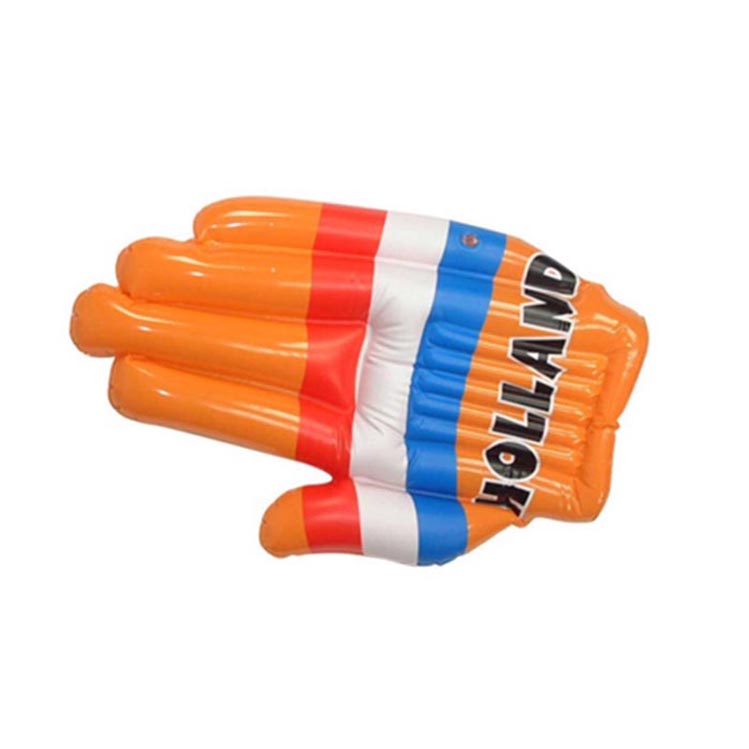
1. Understanding What Inflatable Pool Toys Are Made Of
To know if something is recyclable, you must first understand what it’s made from. Inflatable pool toys are typically crafted from synthetic plastic materials that can hold air, resist puncture, and endure sunlight exposure.
1.1 Common Materials in Inflatable Pool Toys
| Material | Description | Recyclability | Common Use |
|---|---|---|---|
| PVC (Polyvinyl Chloride) | Soft, flexible plastic used in most inflatables. Contains additives like plasticizers for flexibility. | Difficult to recycle in regular programs. Requires specialized recycling. | Pool floats, swim rings, large inflatable animals. |
| TPU (Thermoplastic Polyurethane) | Stronger and more eco-friendly alternative to PVC. Does not contain chlorine. | Easier to recycle or downcycle. | Premium inflatable toys and water sports gear. |
| Vinyl Composites | Blended materials combining PVC and fabric mesh. | Not recyclable in household systems. | Heavy-duty inflatables and water slides. |
Most low-cost pool inflatables are made from PVC (vinyl), which is not accepted in standard municipal recycling bins. However, brands like LIXIN are shifting toward eco-improved TPU and non-toxic vinyl to make recycling and reprocessing more feasible in the future.
2. Why Inflatable Pool Toys Are Hard to Recycle
While plastics such as bottles and containers are widely recyclable, inflatable pool toys present several challenges.
2.1 Mixed and Coated Plastics
Inflatable toys are often made of multi-layered plastics that include coatings, dyes, or mesh reinforcement. These mixtures are difficult for recycling facilities to separate, reducing the economic feasibility of recycling them.
2.2 Additives and Plasticizers
PVC inflatables rely on additives for flexibility — substances that can release harmful chemicals during recycling if not handled properly. This makes processing more complex and potentially hazardous.
2.3 Size and Contamination
Inflatables usually contain:
- Metal valves,
- Painted designs, and
- Residue from pool chemicals.
These components must be removed before recycling, which adds labor and cost.
2.4 Limited Recycling Infrastructure
Few facilities are equipped to handle soft plastics like PVC. Most municipal recycling programs focus on rigid plastics such as PET (#1) or HDPE (#2). Inflatable toys typically fall under the “other” (#3 or #7) category — which means they end up in landfills if not properly managed.
3. What You Can Do Instead of Throwing Away
Even though inflatable pool toys are not commonly recyclable, there are smart, sustainable ways to reduce waste and extend their lifespan.
3.1 Repair Before Replacing
Minor punctures or seam leaks can often be repaired using:
- Vinyl repair kits
- PVC adhesive patches
- TPU glue (for newer eco-friendly materials)
LIXIN Inflatable Toys are designed with reinforced seams and high-quality valves, allowing multiple patch repairs without weakening the product. This extends product life and minimizes waste.
3.2 Upcycle or Repurpose
Creative repurposing can give old inflatables a second life:
- Cut the material into waterproof covers or picnic mats.
- Use sections as protective liners for storage boxes or flooring.
- Turn them into DIY bags, wallets, or rain ponchos.
The flexible vinyl surface of LIXIN products is especially useful for such crafts because it remains durable even after years of sun exposure.
3.3 Donate or Reuse
If the inflatable is still functional:
- Donate it to local swim schools, summer camps, or community pools.
- Keep it for future seasons — proper storage (clean, dry, and shaded) can keep it usable for many years.
3.4 Specialized Recycling Programs
Some recycling centers and environmental organizations collect non-traditional plastics like PVC. You can:
- Check with local plastic recovery programs.
- Search for companies that recycle vinyl or soft plastics.
- Contact LIXIN customer service for guidance on sustainable disposal options or return programs available in certain regions.
4. How to Store and Maintain Inflatable Toys for Longevity
Extending product life is the most effective way to minimize waste. Proper care keeps inflatables from breaking prematurely and reduces the need for replacement.
Maintenance Tips
| Action | Purpose | How to Do It |
|---|---|---|
| Rinse After Use | Remove chlorine or salt residue that can degrade material. | Rinse with clean water and mild soap. |
| Dry Before Storage | Prevent mildew and sticking. | Air dry completely before folding. |
| Avoid Over-Inflation | Reduces seam stress and cracking. | Inflate until firm but not tight. |
| Store Indoors | Protect from UV damage and temperature changes. | Keep in a cool, dry place. |
| Use a Protective Mat | Avoid punctures. | Place toys on soft surfaces, not concrete. |
LIXIN inflatables use UV-resistant coatings and durable seams, helping the material resist sun exposure and water chemical degradation. With proper maintenance, many of our products can last 3–5 years or more.
5. LIXIN’s Sustainable Manufacturing Approach
At LIXIN, we are committed to improving sustainability across the inflatable toy industry. As a professional manufacturer of custom inflatable pool toys, we integrate environmental responsibility into our design, materials, and production processes.
5.1 Material Innovation
- Transitioning from standard PVC to eco-friendly TPU and non-phthalate vinyl.
- Using materials that can be mechanically recycled or repurposed.
- Reducing production waste by optimizing cutting patterns.
5.2 Durable Engineering
Every LIXIN inflatable is made to last longer through:
- Double-sealed seams to prevent air leaks.
- Reinforced air valves with anti-reverse design.
- High-frequency welding for stronger joints.
Long-lasting inflatables reduce consumption and waste, making them a more sustainable choice overall.
5.3 Responsible Packaging and Shipping
- Use of recyclable paper packaging instead of plastic.
- Compact folding for efficient shipping, reducing carbon footprint.
- Continuous testing to meet global safety standards such as EN71, CPSIA, and REACH.
6. How to Identify an Eco-Friendly Inflatable Toy
When shopping for inflatables, look for indicators of sustainable manufacturing:
| Feature | Why It Matters |
|---|---|
| Phthalate-Free Material | Safer for children and the environment. |
| Repair Kit Included | Encourages repair, not replacement. |
| Strong UV Resistance | Extends lifespan, reducing waste. |
| Eco Certifications | Confirms compliance with environmental standards. |
| Thicker Material Gauge | Less prone to punctures and leaks. |
LIXIN Inflatable Toys check all these boxes — providing not only fun but also responsible craftsmanship that considers product lifecycle and environmental impact.
7. The Future of Recyclable Inflatable Toys
The global industry is gradually moving toward more sustainable materials. Research is underway to develop biodegradable polymers and easily recyclable TPU compounds that could make future inflatables truly circular.
LIXIN is at the forefront of this innovation, continuously testing next-generation eco materials to create products that last longer, perform better, and have a smaller environmental footprint.
Conclusion
So, are inflatable pool toys recyclable?
In most cases, not through standard household recycling programs — especially those made from PVC. However, there are sustainable alternatives: repairing, reusing, repurposing, or sending them to specialized recycling facilities.
By choosing quality inflatables like LIXIN Inflatable Toys, you not only enjoy safer and longer-lasting fun but also contribute to a more sustainable future. LIXIN continues to innovate with eco-friendly materials and manufacturing methods that reduce waste and extend the life of every product.